
Winterizing Your North Jersey Home Essential Steps Before the First Freeze
Winterizing Your North Jersey Home Essential Steps Before the First Freeze ensures your Montclair property stays safe while you travel during the cold months.
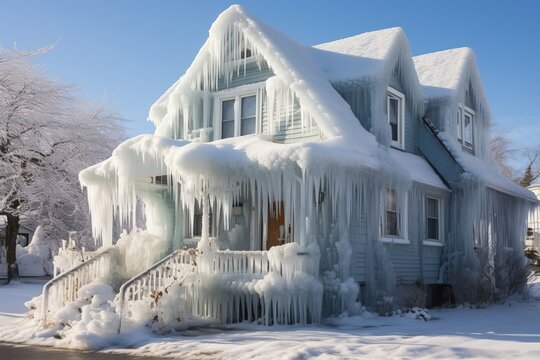
Winter in Northern New Jersey does not arrive with a whisper; it usually hits with a sharp, sub-zero snap that can wreak havoc on an unprepared property. Whether you are planning a long winter getaway or simply want to protect your investment, Winterizing Your North Jersey Home Essential Steps Before the First Freeze is the most critical checklist you will tackle this year. For homeowners in Montclair and the surrounding area, the combination of aging infrastructure and volatile coastal-adjacent weather makes early preparation mandatory. We have seen firsthand how a single night of neglected maintenance leads to thousands of dollars in water damage or structural repair. By taking action now, you ensure your home remains a sanctuary rather than a liability when the snow begins to pile up against the foundation.
The unique topography of our region, from the slopes of the First Mountain to the dense residential streets of upper Montclair, presents specific challenges. Older homes, which provide so much character to our neighborhoods, often possess plumbing and insulation systems that require extra attention before the thermometer dips below thirty-two degrees. Our goal is to walk you through a comprehensive strategy that covers everything from the roofline to the basement slab.
The Exterior Shell and Drainage Strategy
Your first line of defense is the exterior envelope of the house. In North Jersey, we deal with heavy, wet snow and frequent freeze-thaw cycles that can expand small cracks into major structural issues. Begin with the gutters. Clogged gutters are the primary cause of ice dams, which occur when heat escaping the house melts snow on the roof, only for it to refreeze at the cold eaves. This creates a wall of ice that forces water back under your shingles and into your ceilings. Clear every leaf, twig, and acorn from your troughs and ensure downspouts direct water at least five feet away from the foundation. In Montclair, where many homes sit on sloped lots, ensuring proper drainage prevents basement seepage during the spring thaw.
Next, inspect your roof from the ground using binoculars. Look for missing, curled, or cracked shingles. If your roof is older than twenty years, the weight of a North Jersey snowstorm can be the breaking point. Do not forget the trees. We frequently see heavy ice loads snap limbs that overhang power lines or roofs. Pruning these back now is much safer and cheaper than emergency tree removal in the middle of a January blizzard.
Sealing the Building Envelope
Drafts are more than just a nuisance; they are a sign that your heating system is working overtime, which puts unnecessary stress on the furnace. Check the weatherstripping around all entry doors. If you can see daylight through the cracks, you are losing heat. For windows, especially the beautiful original wood frames found in many local colonial homes, consider using removable caulk or heavy-duty plastic film if you aren't planning to be in the residence. Small gaps around utility penetrations—where cables, pipes, or vents enter the siding—should be sealed with expanding foam or silicone caulk to keep out both the cold air and opportunistic rodents looking for a warm place to nest.
Critical Plumbing Protection
Nothing destroys a home faster than a burst pipe. When water freezes, it expands with enough force to split copper and PVC alike. The process of Winterizing Your North Jersey Home Essential Steps Before the First Freeze must prioritize your outdoor water sources. Locate your interior shut-off valves for all exterior hose bibs. Close the valves, then go outside and open the faucets to drain any remaining water. Leave the outdoor faucets open throughout the winter to allow for expansion. If you have an irrigation system, it must be professionally blown out with compressed air. Simply turning off the controller is not enough; water trapped in the lines will freeze and shatter your sprinkler heads.
Inside the home, focus on unheated areas like crawlspaces or unfinished basements. Wrap exposed pipes in foam insulation sleeves. If a specific area is prone to freezing, consider installing UL-approved heat tape. For those planning to be away, our professional home watch services include regular checks of these vulnerable areas to ensure your heating system is maintaining a safe ambient temperature. We recommend keeping your thermostat set no lower than 55 degrees Fahrenheit to prevent the internal wall cavities from reaching the freezing point.
Heating System Optimization
Do not wait for the first frost to turn on your furnace. A system that has sat idle for six months may have developed ignition issues or dust buildup that can trigger smoke alarms. Schedule a professional tune-up with a local HVAC technician to clean the burners and check the heat exchanger for cracks. Replace your furnace filters; a clogged filter restricts airflow and can cause the system to overheat and shut down right when you need it most. If you have a fireplace, whether gas or wood-burning, have the chimney swept and the damper inspected to ensure it closes tightly when not in use.
Monitoring and Technology Integration
In the modern era, Winterizing Your North Jersey Home Essential Steps Before the First Freeze involves more than just physical barriers; it involves smart monitoring. We highly recommend installing Wi-Fi enabled thermostats and water leak sensors. These devices can alert you via smartphone if the temperature in your home drops below a certain threshold or if moisture is detected near the water heater or sump pump. However, technology is not foolproof. Power outages during Nor'easters can knock out Wi-Fi, leaving you blind to the condition of your property. This is why physical inspections remain the gold standard for seasonal protection.
Preparing for the Extended Absence
If your winter plans involve heading south, your preparation needs to be even more rigorous. Beyond the standard winterization, you should consider the security implications of an empty house. Mail buildup and unshoveled driveways are clear signals that a home is vacant. Arrange for snow removal services even if you aren't there, as this keeps the property looking lived-in and ensures emergency access if needed. Turn off your main water supply if your heating system doesn't rely on it (such as a steam boiler), and drain the pipes to be completely safe.
We often suggest that homeowners in create a "winter emergency kit" even if they are staying. This includes extra batteries, flashlights, non-perishable food, and a manual override for your electric garage door. Being prepared for a multi-day power outage is a staple of North Jersey life. By following these Winterizing Your North Jersey Home Essential Steps Before the First Freeze, you are not just protecting bricks and mortar; you are protecting your peace of mind.
The transition from autumn to winter happens quickly in the Garden State. By the time the first dusting of snow covers the township, these tasks should be complete. Taking a proactive approach prevents the frantic, expensive repairs that characterize the peak of the cold season. Whether it is ensuring your sump pump is clear of debris or verifying that your backup generator is fueled and ready, every minute spent now saves hours of stress later.
I am dedicated to ensuring that your property remains secure and functional throughout the harshest months of the year. We understand the local climate and the specific vulnerabilities of homes in our community. If you are concerned about leaving your property unattended or simply want a professional set of eyes to verify your winter prep, we are here to help. To ensure your home is fully protected this season, schedule a consultation with us today.
Have more questions? View our full FAQ page
Questions, answered.
When is the best time to start winterizing a home in North Jersey?
You should begin the process in late September or October. In North Jersey, the first freeze typically occurs in late October or early November. Completing tasks like gutter cleaning and pipe insulation before the temperature drops below 32°F prevents emergency repairs and ensures you are not caught off guard by an early season Nor'easter.
Should I turn off my water if I leave my Montclair home for the winter?
Yes, if your heating system is not a steam boiler that requires a water feed, turning off the main water supply is highly recommended. You should also drain the lines by opening the lowest faucet in the house. This is the single most effective way to prevent catastrophic flood damage from burst pipes during a deep freeze.
How do I prevent ice dams on my North Jersey roof?
Preventing ice dams requires two things: clean gutters and proper attic insulation. Ensure your gutters are free of debris so meltwater can flow away. Additionally, check that your attic is well-insulated and ventilated to keep the roof temperature consistent, which prevents the snow from melting and refreezing at the eaves.