
Refrigerator and Freezer Prep for Long Absences in Montclair
Learn how to treat your refrigerator and freezer if you are going away for a few weeks or more to prevent food spoilage, foul odors, and costly water damage.
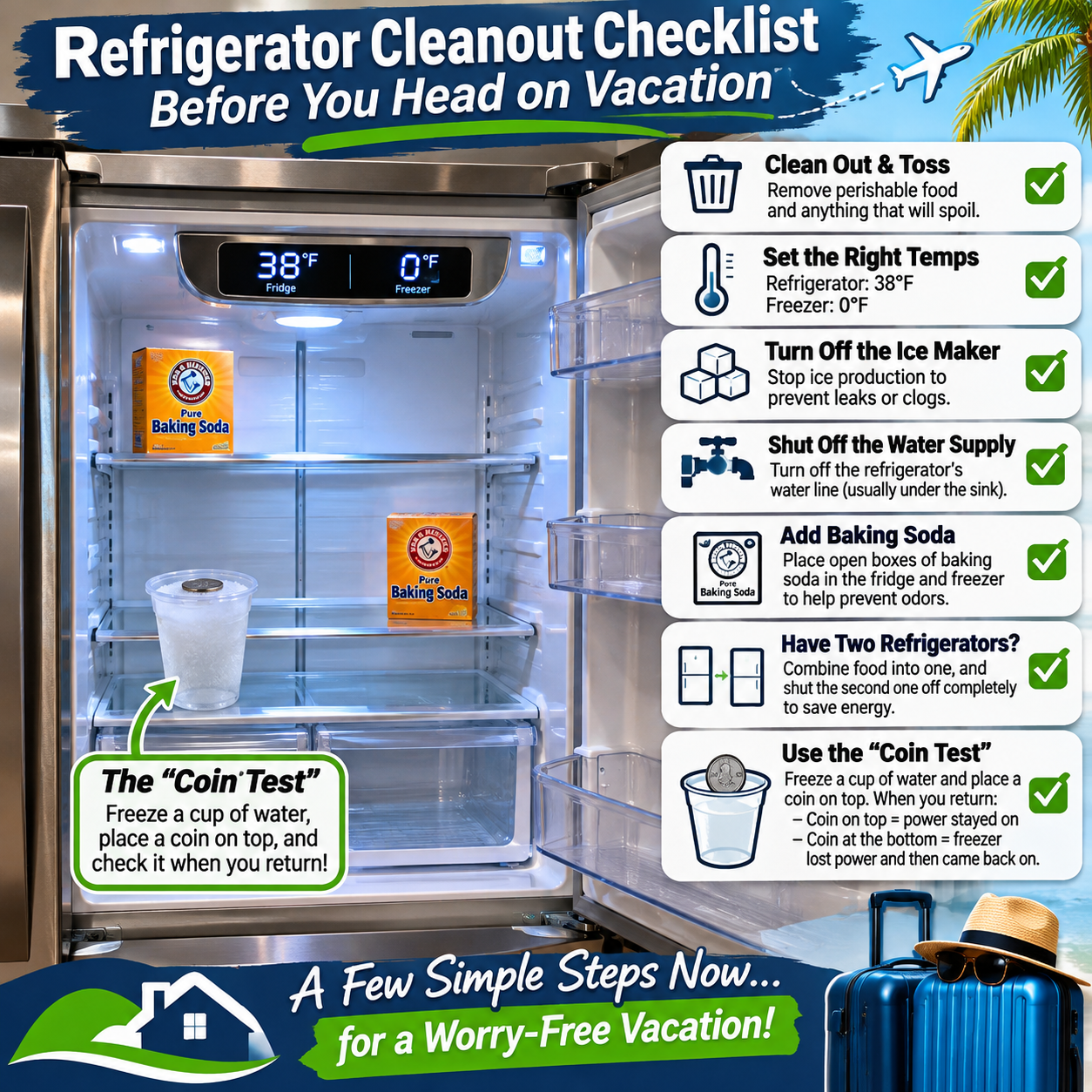
Leaving your home in Montclair for an extended period requires more than just locking the doors and setting the alarm. For many homeowners, the kitchen remains the most vulnerable area during an absence. Specifically, knowing how to treat your refrigerator and freezer if you are going away for a few weeks or more is critical to avoiding a literal mess when you return. A power flicker, a failed compressor, or a simple ice maker leak can turn a relaxing vacation into a restoration nightmare. We see these issues firsthand, and the preventative steps you take now will define the state of your home upon your return.
Most homeowners believe that simply leaving the fridge as-is will be fine for a short trip. While that might be true for a weekend in the Catskills, a departure of three weeks or more changes the risk profile. Appliances are mechanical; they can fail at any time. When they fail while you are at home, you notice the puddle or the smell within hours. When they fail while you are away, you might not know for fourteen days. By then, the damage to your flooring and the pervasive odor of spoiled proteins can be permanent. Understanding the physics of your appliances and the logistics of your food supply is the first step in successful home management.
The Purge and Inventory Strategy
The most immediate task is addressing the perishables. When considering how to treat your refrigerator and freezer if you are going away for a few weeks or more, the goal is to minimize biological load. Start by consuming or discarding anything with a short shelf life. Milk, eggs, leafy greens, and open condiments are the first to go. If you are leaving for more than fourteen days, we recommend clearing out almost all fresh produce. Even if the fridge stays cold, moisture inside the crisper drawers can lead to mold growth that spreads to other surfaces.
Do not forget the freezer. Many people assume the freezer is a safe haven for months, but power outages in North Jersey are not uncommon. If the power cuts for six hours and then returns, your meat may thaw and then refreeze. This creates a significant health hazard. If you choose to keep items in the freezer, use the coin trick: freeze a small container of water, place a coin on top, and leave it. If you return and the coin is at the bottom of the ice, you know the unit thawed at some point. However, the safest route is to simply empty the freezer of high-risk items like raw meat and fish before you depart.
Managing the Ice Maker and Water Line
The ice maker is the single most common source of water damage in high-end kitchens. If a solenoid valve fails or a plastic line cracks while you are away, hundreds of gallons of water can be pumped directly onto your hardwood floors. When deciding how to treat your refrigerator and freezer if you are going away for a few weeks or more, the water supply should be your top priority. Always turn off the dedicated water valve to the refrigerator. Once the valve is closed, dump the remaining ice from the bucket to prevent the cubes from clumping together and potentially jamming the mechanism.
If your refrigerator has a built-in water dispenser, try to flush the line slightly before you leave, but the primary goal is isolation. By shutting off the water source, you eliminate the possibility of a slow leak or a catastrophic burst. This is a core component of our professional home watch services, as we manually check these connection points to ensure no moisture is accumulating where it shouldn't. If you cannot find the shut-off valve behind the fridge, it is often located in the basement or crawl space directly beneath the kitchen.
Temperature Settings and Energy Efficiency
You might be tempted to turn the refrigerator off entirely to save on the electric bill. Unless you are planning to be gone for months and are prepared to leave the doors propped open, this is usually a mistake. Modern refrigerators are designed to maintain a consistent internal climate. If you turn it off and close the door, the residual moisture will turn the interior into a petri dish for black mold within days. Instead, adjust the thermostat to a slightly higher setting if the unit is nearly empty, but keep it running to circulate air and dehumidify the cabinet.
For those wondering how to treat your refrigerator and freezer if you are going away for a few weeks or more, the ideal temperature is around 38 degrees Fahrenheit for the fridge and 0 degrees for the freezer. This keeps the environment stable without overworking the compressor. If your unit has a 'Vacation Mode,' consult the manual. Usually, this mode disables the ice maker and keeps the fridge at a slightly higher temperature while maintaining the freezer at sub-zero levels. This is the perfect balance for a homeowner in Montclair who wants to protect their investment without wasting energy.
Cleaning for Long Term Stability
Before you walk out the door, give the interior a quick wipe-down. Spills that seem insignificant—a drop of jam, a smear of yogurt—can become breeding grounds for bacteria when the door isn't being opened and closed regularly. Use a mixture of water and white vinegar to sanitize the shelves. This not only cleans but also helps neutralize odors. Pay special attention to the gaskets around the door. If there is crumbs or sticky residue on the rubber seals, the door may not seat perfectly, leading to energy loss and frost buildup.
A common tip for how to treat your refrigerator and freezer if you are going away for a few weeks or more is to place an open box of baking soda in both compartments. This is highly effective. It absorbs the 'stale' smell that develops in closed environments. If you are clearing the fridge entirely, some homeowners even place a few crumpled pieces of charcoal or dry newspaper on the shelves to absorb any lingering moisture. However, for a standard vacation of three to four weeks, a clean interior and a box of baking soda are usually sufficient.
Dealing with Potential Power Outages
North Jersey weather can be unpredictable. From summer thunderstorms to winter ice, power interruptions are a reality. If you are leaving the fridge running, consider the consequences of a long-term outage. If the power goes out for several days, the contents will rot. The resulting smell can permeate the plastic liners of the refrigerator, often requiring the entire appliance to be replaced because the stench of rot cannot be removed from the insulation.
This risk is why we often advise clients to minimize their inventory to the absolute essentials. If you have a second refrigerator in the garage, it is often better to consolidate everything into one unit and unplug the other. If you are going away for a month, ask yourself if that $5 jar of pickles is worth the risk of a $3,000 appliance replacement. Most of the time, the answer is no. Emptying the unit as much as possible is the gold standard for how to treat your refrigerator and freezer if you are going away for a few weeks or more.
Final Checklist Before Departure
As you prepare to head to the airport, run through a final mechanical check. First, verify the water line is off and the ice bin is empty. Second, ensure the doors are fully sealed and nothing is blocking the sensors or the air vents inside. Third, check the floor around the base of the unit for any existing moisture. Sometimes a leak starts days before you leave, and catching it now saves your floor.
Finally, think about your return. There is nothing worse than coming home to a house with no food and a smelly fridge. However, safety must come first. By following these steps, you ensure that your Montclair home remains a sanctuary rather than a job site. If the process feels overwhelming, remember that managing these details is exactly why professional oversight exists. We handle these checklists so you can travel with total peace of mind.
If you want to ensure your entire home is protected while you travel, schedule a consultation with us today to discuss your specific needs.
Have more questions? View our full FAQ page
Questions, answered.
Should I unplug my refrigerator if I am gone for three weeks?
Generally, no. Unplugging a refrigerator and closing the door will lead to mold growth and foul odors due to trapped moisture. Only unplug the unit if you are emptying it completely, cleaning it thoroughly, and propping the doors open to allow for continuous airflow.
Is the coin-on-the-ice-cup trick actually effective?
Yes, it is a simple and reliable way to detect power outages. By placing a coin on top of a frozen cup of water, you can see if the ice melted and refroze while you were away. If the coin is buried in the ice, your food reached unsafe temperatures and should be discarded.
What is the most important step to prevent kitchen water damage?
The most critical step is turning off the water supply valve to your refrigerator's ice maker and water dispenser. Plastic water lines are prone to cracking and solenoid valves can fail, leading to significant flooding that can ruin kitchen flooring and subfloors during your absence.